

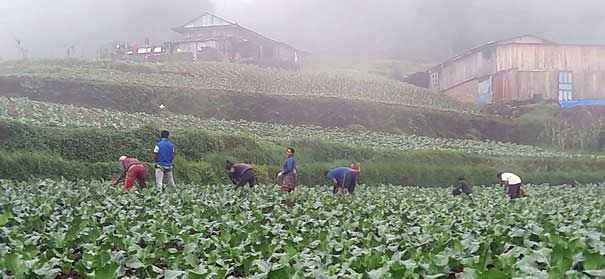
Review & Outlook Continued progress in Sailung.
Continued progress in Sailung.
Update on the situation in Nepal
Nepal has experienced large-scale protests, particularly in Kathmandu, led by the younger generation (Gen Z). These demonstrations targeted issues such as corruption, unemployment, and temporary social media blackouts. In response, the government imposed curfews in several areas, particularly in and around Kathmandu. Troops, including the army, were also deployed to restore order. The clashes resulted in 70 deaths and many injuries. There were also serious incidents, including the destruction of government buildings, arson, and riots. Although the social media blackout has since been lifted, the situation remains volatile. Travelers are advised to avoid demonstrations and protest zones. Curfews and other restrictions remain in place in some locations. The next elections are scheduled for March 2026. Sailung is calm, and rural life continues unabated.Agricultural project SATSH
In recent years, our foundation has focused on further stimulating developments in the agricultural sector through the SATSH agricultural project. Much has happened recently. Collaboration within the project is increasing, both in terms of agricultural activities and their financing. For example, there is more intensive collaboration on mushroom cultivation and harvesting. This pooling of resources results in more efficient work.
Agriculture in Sailung is characterized by challenging conditions: a short growing season, frequent freezing winters, and heavy monsoon rains that regularly damage open-field crops. Tunnel cultivation has proven to be a practical and sustainable solution to these challenges. Tunnels provide a controlled environment, protect crops from adverse weather conditions, extend the growing season, and minimize losses due to pests and diseases. This method also allows farmers to expand beyond traditional staples like potatoes, greens, and cauliflower, not only ensuring sufficient vegetables for their own consumption but also creating new income opportunities.
The project has already enabled us to achieve the following:
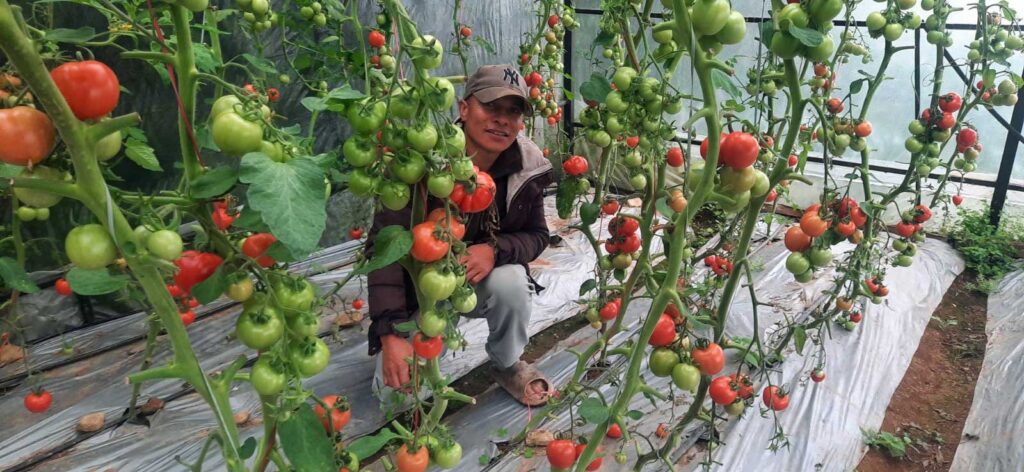
Fifty-one polytunnels (greenhouses) and 11 extra-large polytunnels have been installed, allowing farmers to grow high-quality vegetables year-round, such as tomatoes, cucumbers, chilies, bell peppers, eggplant, beans, and leafy greens/spinach. Farmers now earn an average of NPR 35,000–40,000 annually (approximately two months' salary) from polytunnel-grown vegetables, providing a significant source of supplementary income.
17 tunnels have been set up for the cultivation of oyster mushrooms, with which households earn an average of NPR 30,000 (~1.5 months' salary) extra per year.
Button mushroom production has been introduced in 13 households; this currently primarily covers their own consumption. With improved skills and inputs, there is significant potential to expand this to market-oriented production in the coming cultivation cycles.
Livestock farming:
In addition to agricultural diversification, support for livestock farming has also contributed to strengthening household income sources and improving animal productivity in our area. These measures are particularly valuable in rural mountain communities, where livestock play a central role in nutrition, income, and farm resilience.
The support provided is as follows:
Eight quality breeding bucks have been introduced to improve local goat breeds, with the aim of producing better, larger and higher market value goats.
20 goats have been distributed to the poorest households, enabling families to diversify their livelihoods and build more stable incomes.
One buffalo bull was provided to increase milk production and improve the genetic quality of the buffalo population in the community.
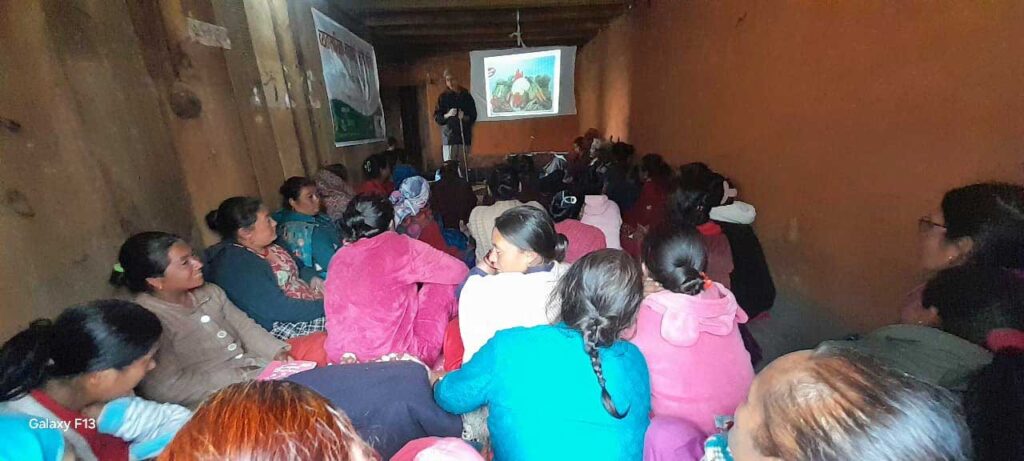
Training was provided on the financial aspects of commercial vegetable farming. The vegetable assortment was expanded to include mustard seeds, cress, spinach, and onions. Apple trees were also replanted, which are expected to bear fruit next year. Training was also provided on livestock care and insurance. A veterinarian checked the health of the animals, including goats, buffalo, and pigs.
Last year's results showed that the greenhouses performed very well. This makes it possible to invest in larger metal greenhouses.
The first beehives will be introduced at the beginning of October.
Savings groups
Reducing reliance on loans from financial institutions with extremely high interest rates (sometimes as high as 30%) is crucial. Instead, the focus is on establishing a cooperative that provides loans at reasonable interest rates. This initiative is fully supported by the VDC (Village Development Committee) and has also been approved by the local government.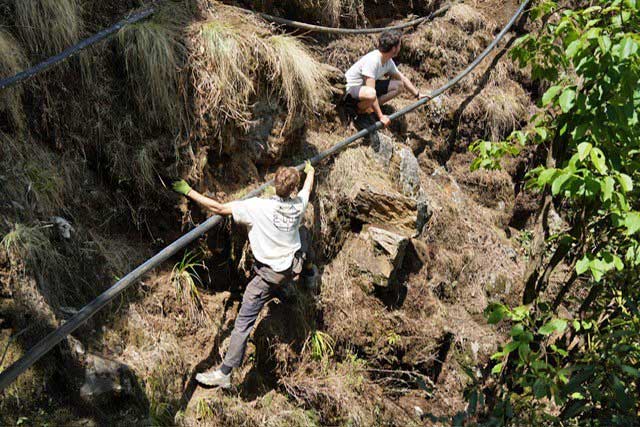
Over the past year, Engineers Without Borders from Germany and Nepal have been working hard on the water project. They have installed a basic pipeline system from the source to the valley. Starting in October, they will focus on connecting these pipes to intermediate storage tanks and to 30 households that have previously had no access to a water supply.
Fundraising for the 2026 Agricultural Project:
Building sustainable self-reliance together
The entire budget for the 2025 agricultural project has been covered. For the upcoming project year, 2026, we want to continue supporting the community in adopting the new cultivation methods.
In 2026 we will focus on the following initiatives:
- Independent production of worm compost to improve soil quality.
- Applying biological crop protection products
- Manufacturing of mushroom growing material
- Expansion of beekeeping
- Forms of a common cooperative for financial independence
- Access to commercial markets
The total budget for these activities is estimated at approximately €42,000, of which €21,000 is still needed to complete the project. We are grateful for the sponsorship already received and are open to suggestions from acquaintances, friends, or anyone who can offer financial support.
News about developments at the school.
Transfer of Principal function
Krishna Shrestha has been formally appointed principal of the composite Shailung Hill Ton Basic School, which provides education up to class 8.
Under his leadership and thanks to the dedication of the teaching team, the Class 5 students once again achieved a star rating in the regional exam last May — a record achievement!
The new team of teachers:
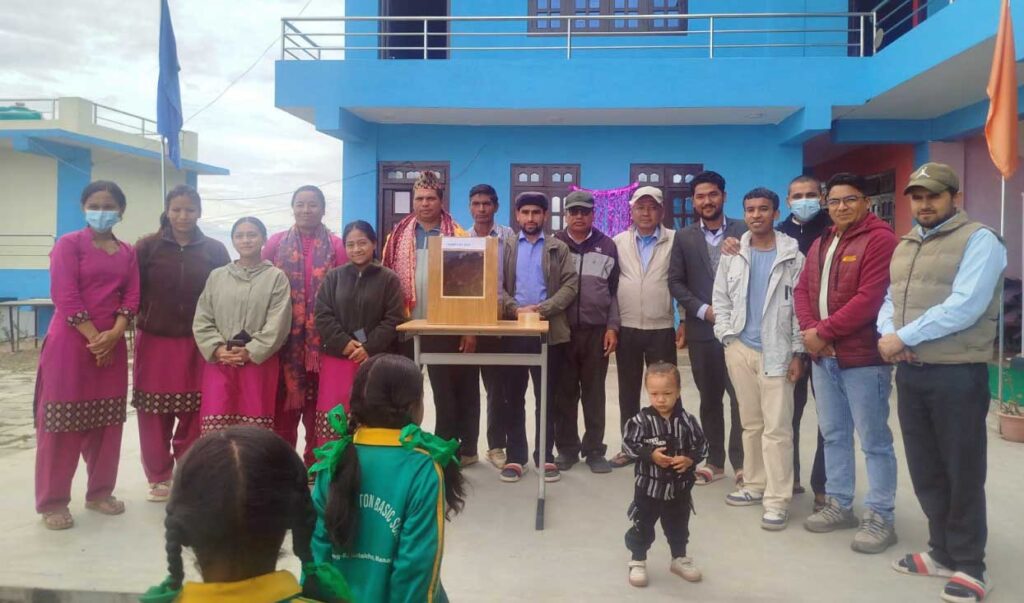
On the left side of the photo are Alina Karki, Salina Shrestha, Kopila Shrestha, Shanti Shrestha, Debaki Shrestha, Makar Subadi (with Nepalese hat; dhaka topi, chairman of the school board). On Makar's right: Kamal Basnet, Krishnaraj Joshi, Many Rudra Shrestha, Khel Bdr Shrestha, Gokarna Thapa, Simon Subedi, Akchya Kumar Chaudhary, Krishna Shrestha, Anil Raj Joshi
Calligraphy & Motivation Classes
the power of writing and sharing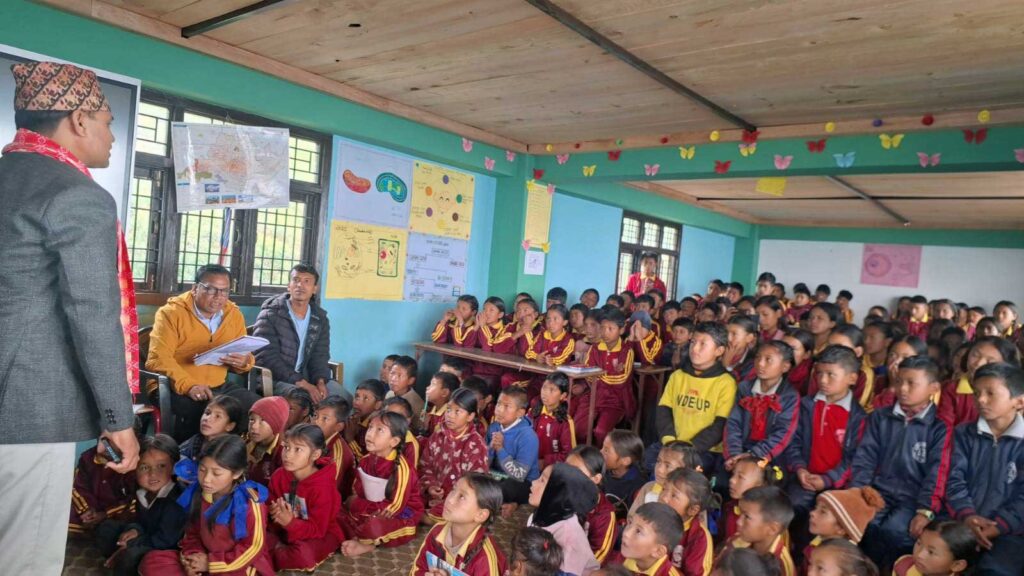
Recently, specialist Mr. Uddhava Raj Bhattarai has been teaching handwriting and motivation at school, with remarkable results. Neatness, concentration, and the aesthetics of writing received significant attention. But what truly made these lessons special was the focus on emotions.
“I didn't expect to cry,” says eighth-grader Prakiti. “When we talked about our families, I felt understood.”
And Aroen from the seventh grade adds: "Beautiful writing makes me proud. And it helps me think: how do I want others to see my words?"
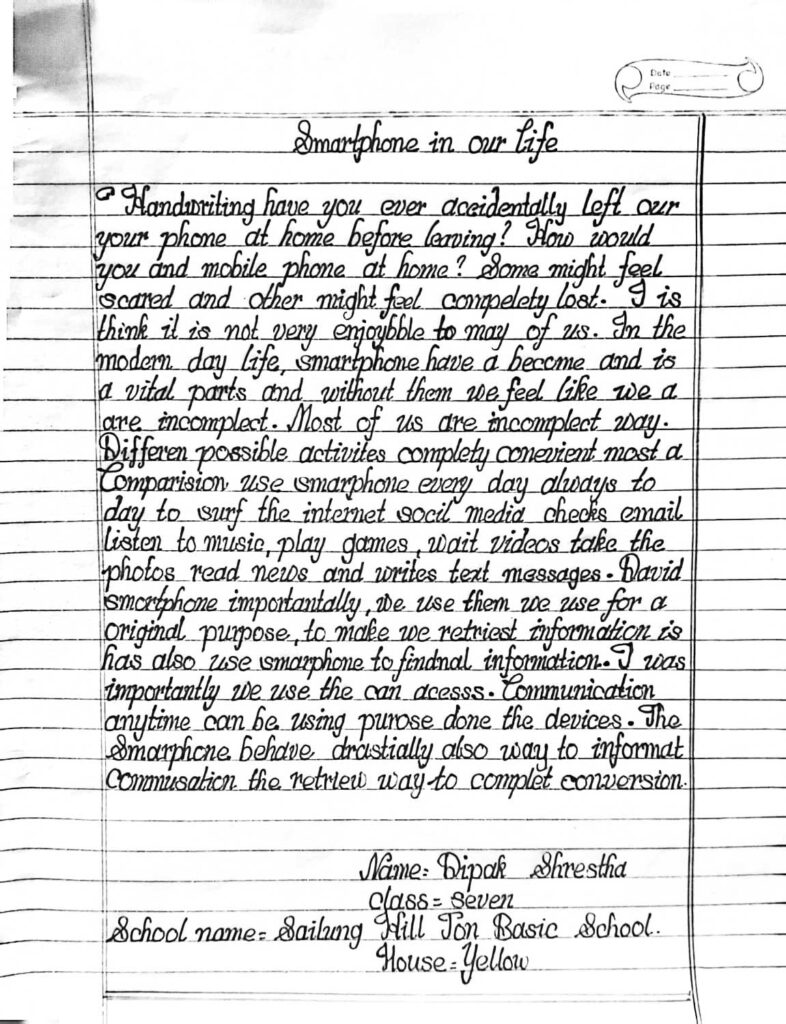
Below you will find a beautiful example of beautiful handwriting, made by Dipak from class 7.
Visit & exchange with Kadambari Memorial College
In recent months, several schools have visited "our" school to see how they have organized things. The school is now dust-freeAll classrooms and stairs are carpeted. In addition, special shoe storage and new cabinets have been installed to store students' study folders by class.
Our school also recently welcomed Dr. Pradipta BP Kadambari from the Social Work program at the University of Purbanchal. During her visit, she provided the teaching team with inspiring motivational training.
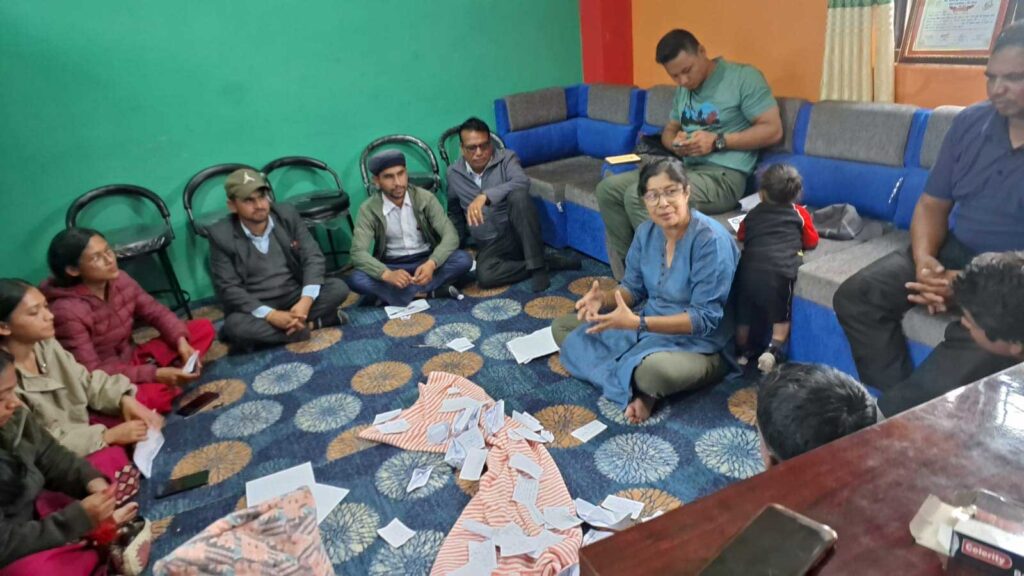
In December, her college will host a group of American students as part of a development program. Part of this program is being implemented in partnership with our school in Sailung, giving the American students the opportunity to experience local life firsthand. www.kadambari.edu.np
Latest news about the Health Post
Previously, pregnant women and sick people had to walk for hours to the nearest hospital. This new maternity center and health post now provides medical care to approximately 50 people from the surrounding area each month. This development represents a huge improvement in healthcare in the region. A nurse is now also permanently present, alongside the existing doctor.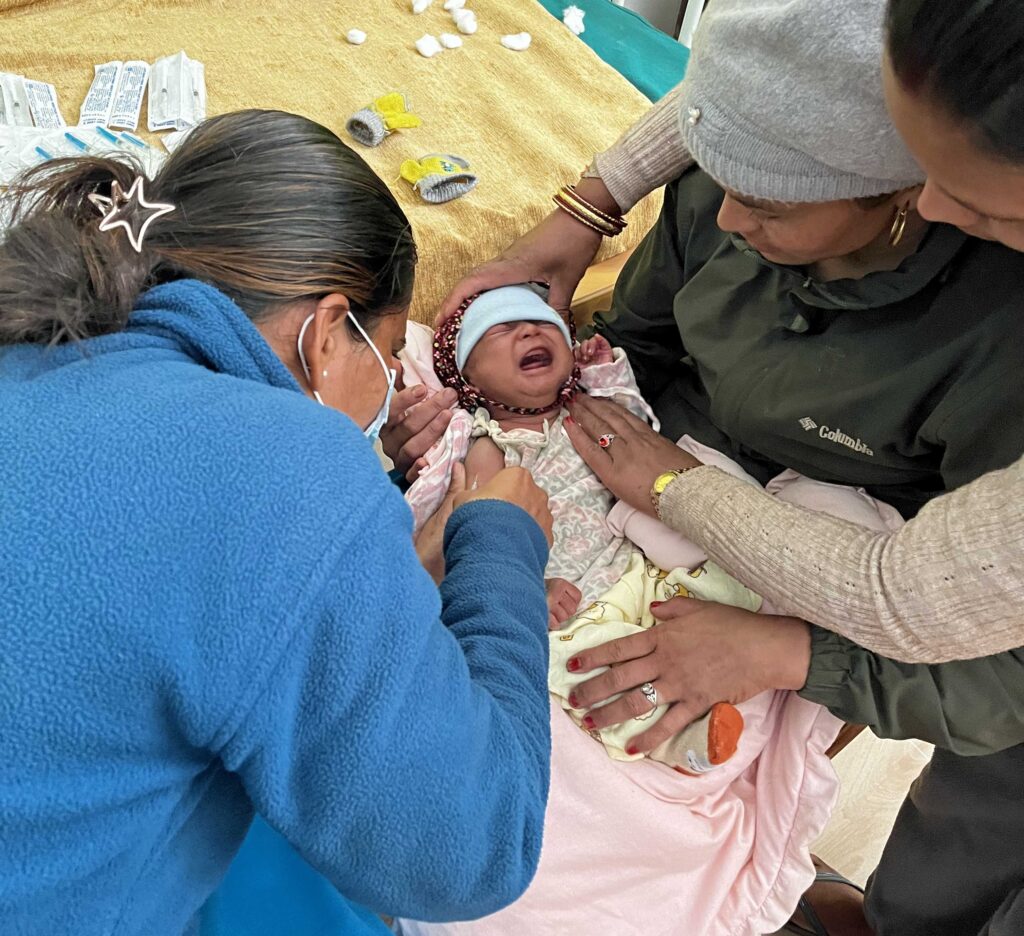
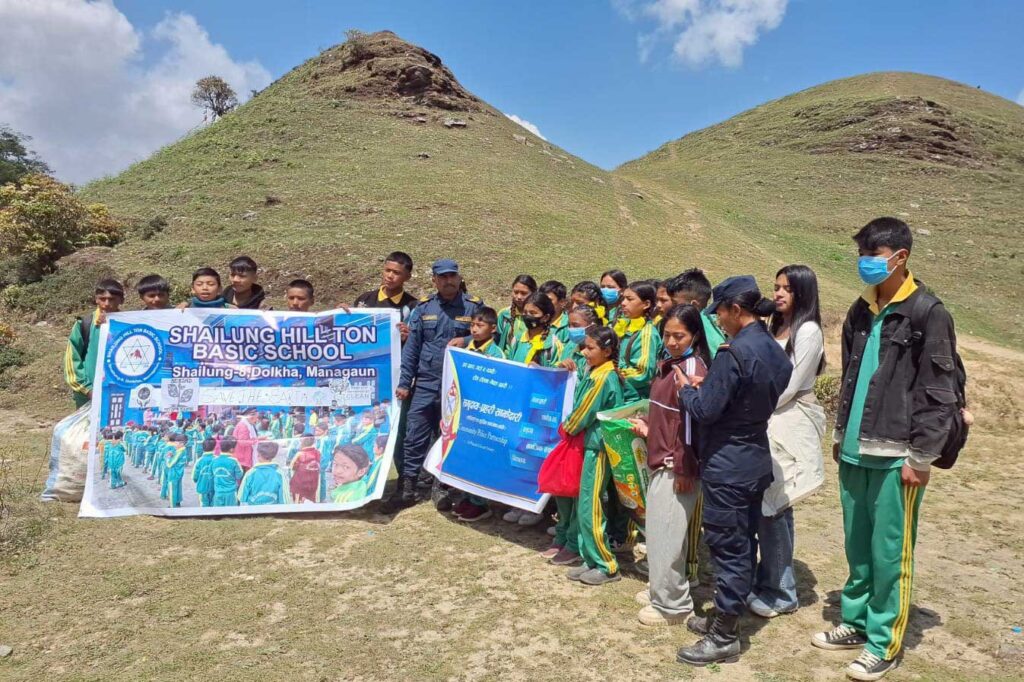
Besides attending school, the children are also actively involved in maintaining a clean environment. In the photo above, you see them after the cleanup at High Sailung.
We, the board, are delighted to share the various developments in Sailung with you. All of this is made possible thanks to your valuable support.
Namaste,
The board


