
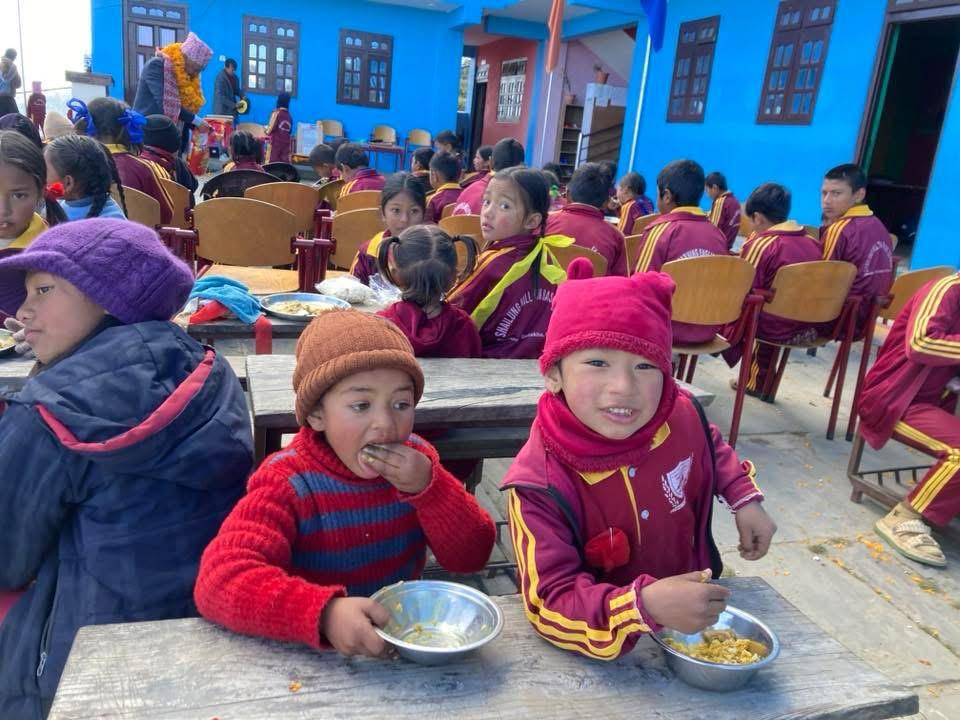
A year of resilience, growth and connectedness
Dear sponsors and friends,
We're pleased to share the latest developments in our projects in Sailung, Nepal. What an extraordinary year we've had. While Nepal faced turbulent times in 2025, the community in Sailung remained resilient. Thanks to your support, we've been able to make great strides together. In this newsletter, we'd like to share the results achieved and the challenges ahead. After reading this, are you interested in visiting the projects yourself? Board representatives will travel to Sailung again in April and October 2026.Agricultural project SATSh: Harvesting what we are proud of,
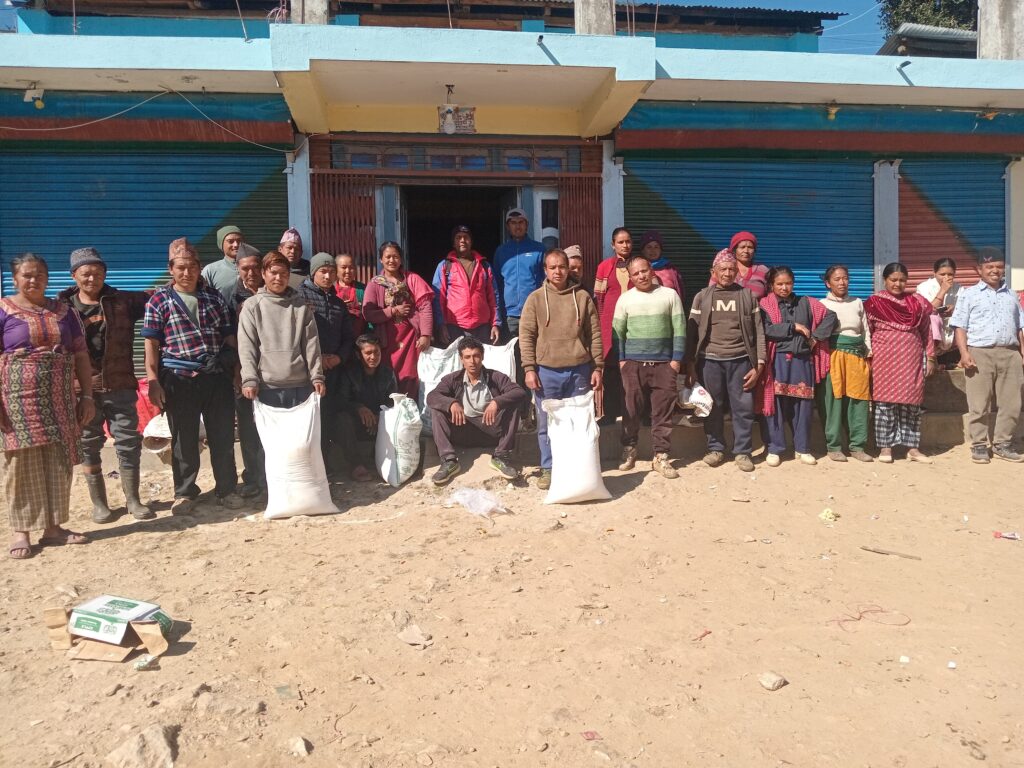
The agricultural project is one of the foundation's greatest success stories. The introduction of new crops not only provides more food but also instills pride and motivation in the village community. Rich harvests and innovative techniques: Kilos of tomatoes, cucumbers, bell peppers, mushrooms, lettuce, and other vegetables are harvested monthly. Thanks to additional training, regular field visits, and support from ISARD, the farmers are rapidly developing their skills. The ISARD team supporting the project consists of seven members. Anita, Binita, and Bishnu live on-site full-time.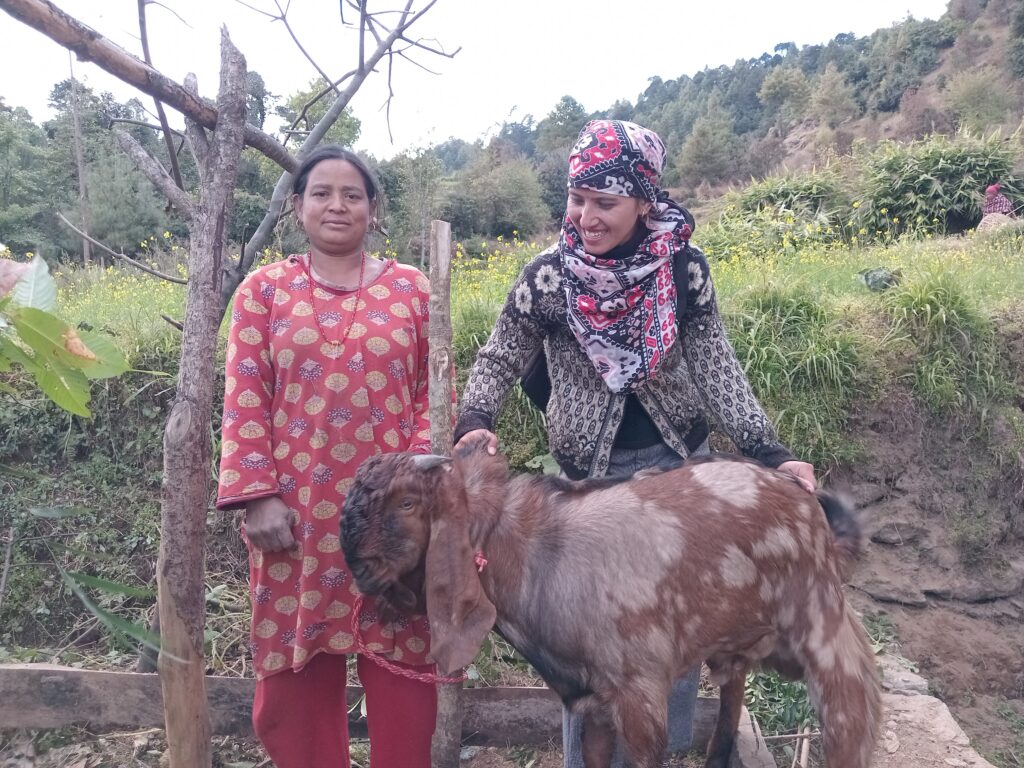
Livestock and beehives
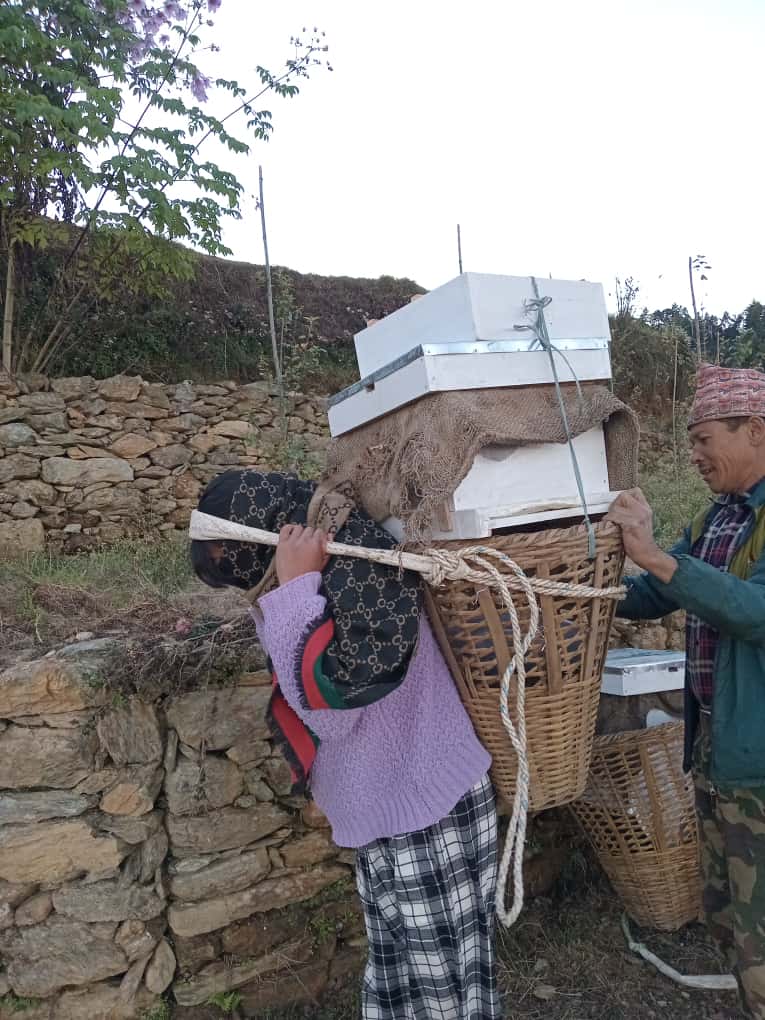
Two new breeding males have been added to the groups in several villages—a significant step toward more sustainable livestock farming. Furthermore, the beehives have been received with great enthusiasm. New beekeepers have been trained and are ready for their first full honey harvesting season.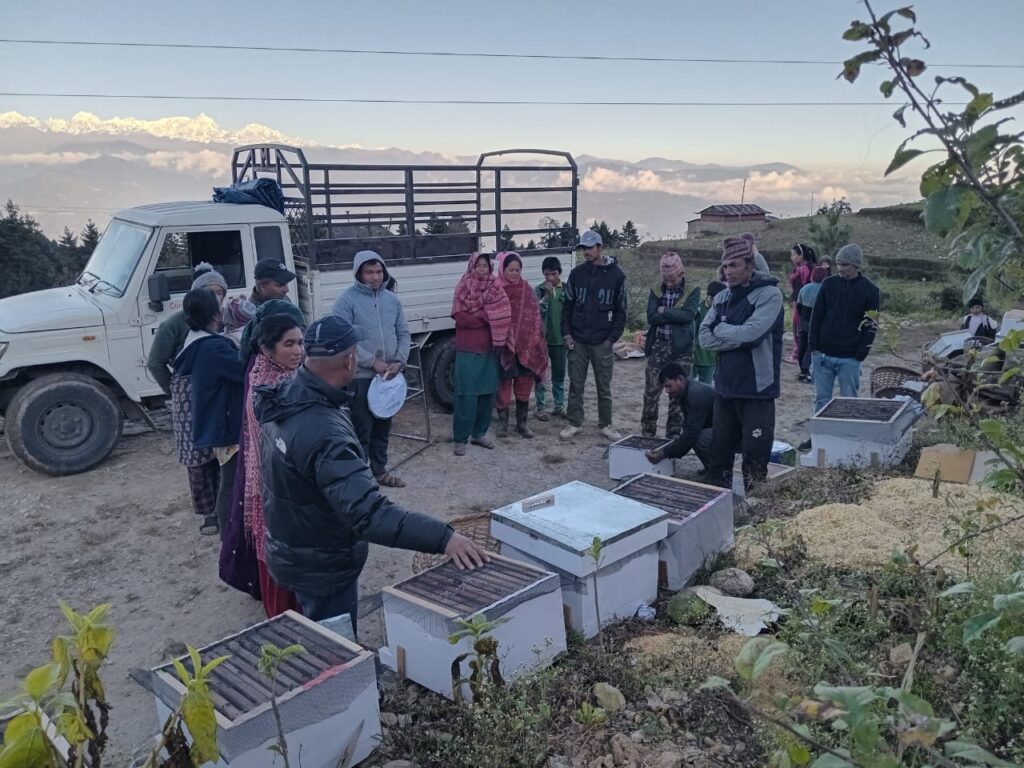
Soil research and improved yields
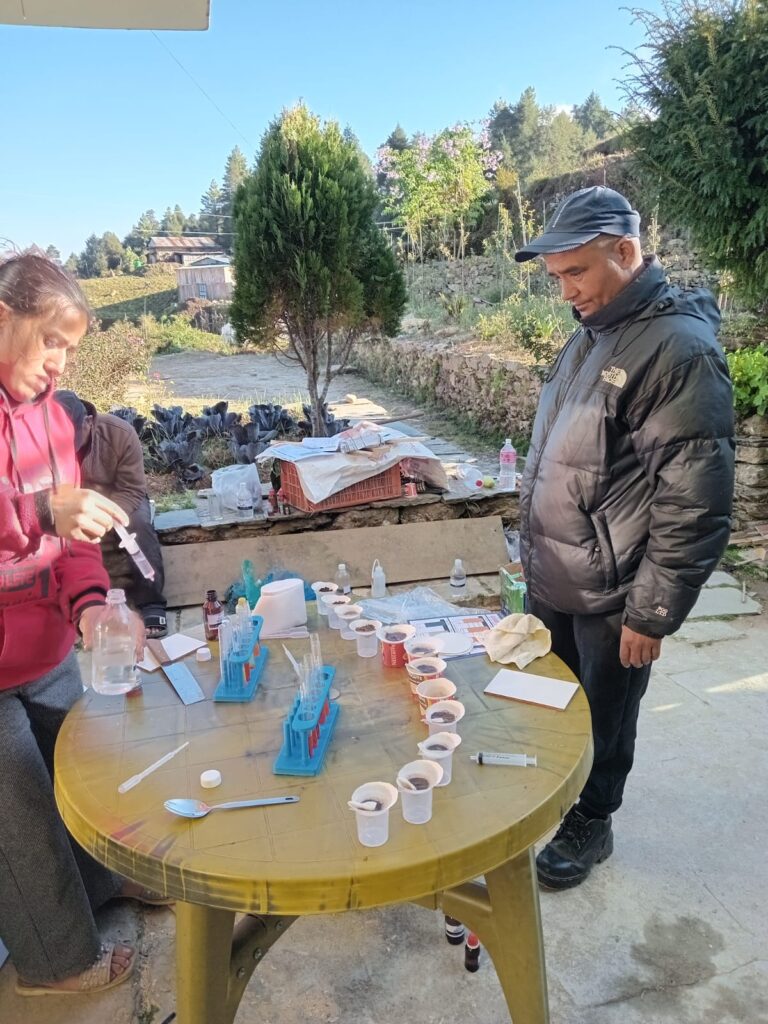
Soil quality testing has led to targeted recommendations, such as adding lime in certain areas. These interventions improve yields and raise awareness of sustainable agricultural practices.
Year 3: On the road to true independence
The project runs until February 2027
In this crucial third year, structural anchoring is keyraal:
✓ Establishment of an agricultural cooperative for joint purchasing and better market access
✓ Scaling up of greenhouse, tea, coffee and mushroom cultivation
✓ More diversity through crop rotation in the greenhouses
✓ Financial independence
We want to make this final year possible again by engaging ISARD. To realize these plans and make the community truly economically independent, we desperately need your help.
Two lives, two chances
From day laborer to model farmer: the story of Ramesh BK
Ramesh BK, 46, grew up in poverty, supporting his family on a small farm and temporary work as a day laborer. The 2015 earthquake worsened his situation: his house collapsed, and his debts mounted. Through the farmers' group his wife was a member of, the family gained access to affordable loans and technical support for the first time. Thanks to training programs, seeds, materials, and a small loan, Ramesh began growing various vegetables and successfully experimented with oyster mushrooms. Where he once barely scraped by, he now earns approximately NPR 500,000 (€3,100) annually. His children can attend school, and the family has a new perspective. Moreover, Ramesh has become a valued and social force in the community—a living example of how microcredit and capacity building can transform lives.

A young returnee finds a future in its own soil: Basu Shrestha
The story of the 22-year-old Basu Shrestha shows how hopeless migration can become when opportunities are few and far between. He left for Russia in search of work, but was repeatedly deceived, arrested, imprisoned, and ultimately deported. After this horrific experience, he returned to Nepal with significant financial losses and no future purpose in his life. He found his home. Basu Inspired by the farming activities his father had started with ISARD support, he decided to focus entirely on agriculture and began with tomatoes and mushrooms. His perseverance led to rapid growth: he expanded into various vegetables and recently started growing apples. Basu He now earns a stable income and sees opportunities for further investment, such as building additional greenhouses. His success motivates other young people in Managaun to view agriculture as a sustainable and worthy alternative to migration.
These kinds of stories make the difference.
Microcredit, training and guidance change lives – and entire communities.
Education:
progress, innovation and extra effort
Rejuvenation of the team
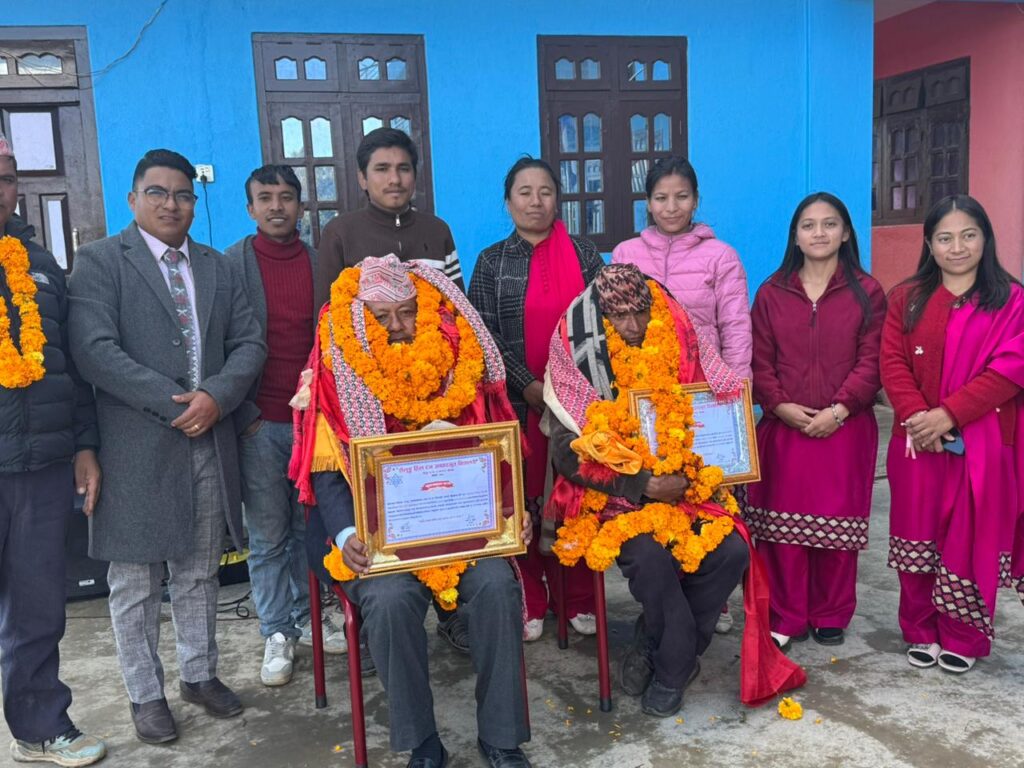
In 2025, the former head teacher and an assistant retired. This also made our desired renewal of the teaching staff a reality. The new generation of teachers brings energy, educational innovation, and motivation. — exactly what the school needs to grow further.
Excellent results in the regional assessment
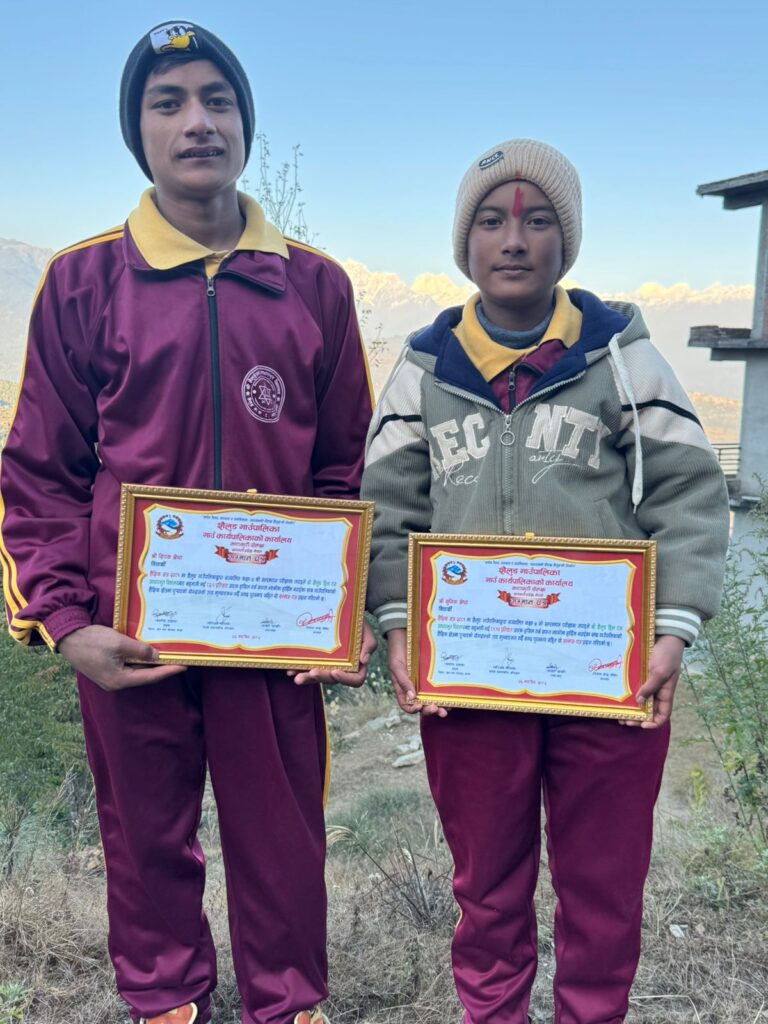
The students have once again performed well this year. The school even won a trophy in the regional school test, and two students and their teachers took home prizes. A wonderful sign that the team's efforts are paying off.
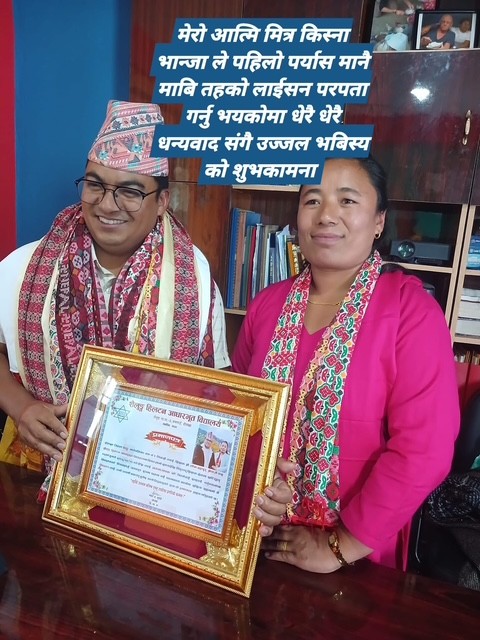
Krishna has also obtained an additional diploma required for his role as director.
Tutoring program after too long holidays
Since the school officially became public, the national — and sometimes very long — holidays are followed. This year, this has led to learning backlogs, especially for children who will soon be taking their final exams.
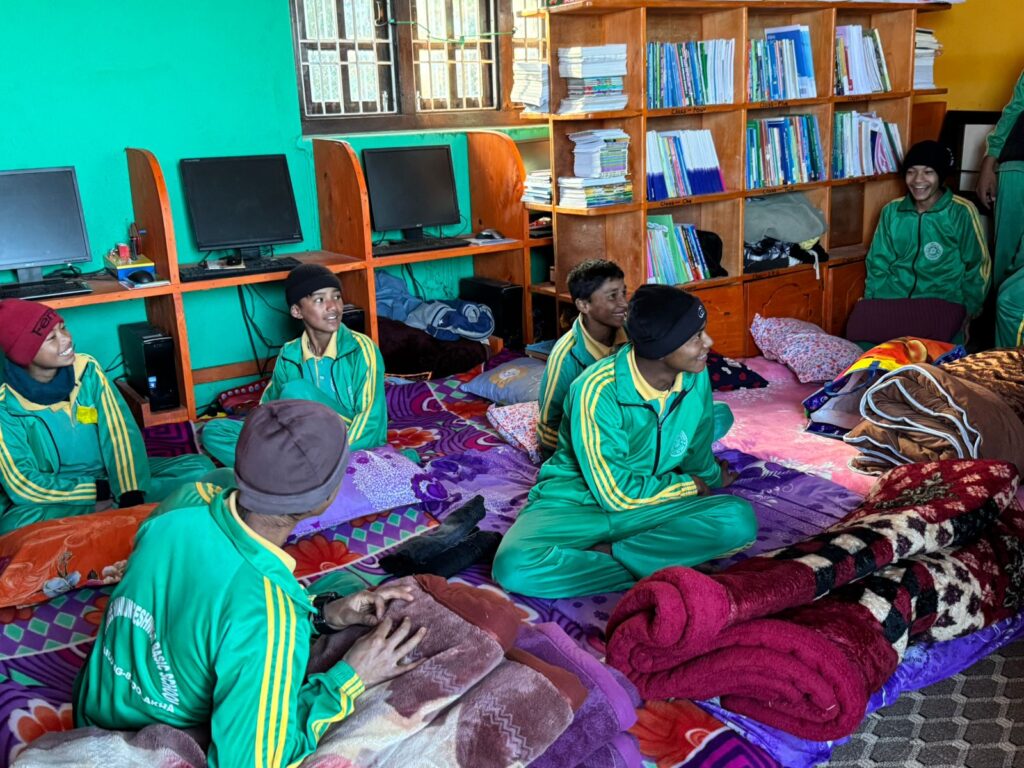
Therefore, an intensive study was conducted together with parents and students three-month tutoring program started.
- The children live at the school temporarily.
- The large hall has been converted into a girls' dormitory; the boys sleep in the computer room.
- Two teachers and the cook also stay at the school to provide guidance.
- Each day starts early, at six o’clock, with tutoring, followed by regular classes and extra study blocks.
This tremendous collective effort demonstrates how important education is to this community — and how committed the children are to their future.
Health Post: 100 consultations per month
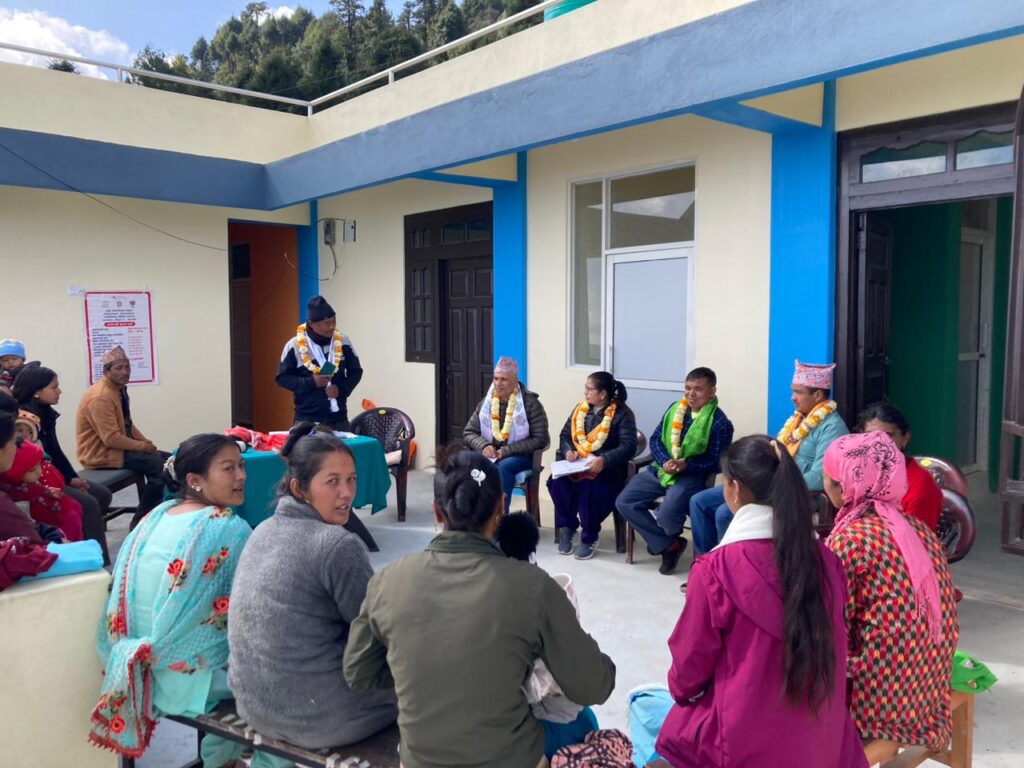
The health post now conducts around 100 consultations per month. In addition, patients are regularly admitted for short periods, particularly elderly people who suffer severe dehydration and require intravenous fluids. The post is thus playing an increasingly central role in the health and resilience of the community in and around Sailung.
National unrest: a turbulent September
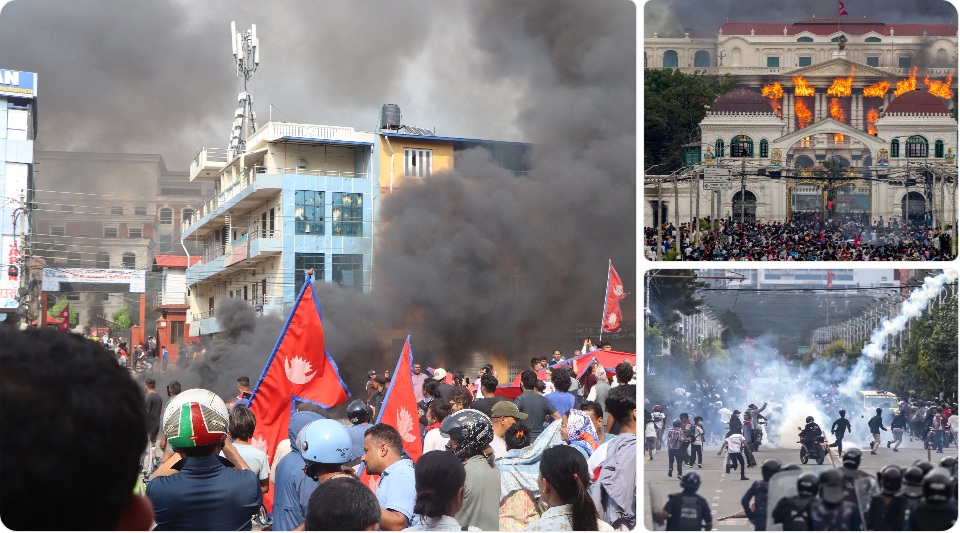
September was marked by widespread unrest in Nepal. Large-scale protests, fueled by a social media ban, led to violent clashes in Kathmandu and other cities. What began as peaceful resistance quickly escalated with attacks on government buildings and political resignations. Ultimately, the government resigned, and an interim cabinet was formed to lead the 2026 elections. International concerns, such as China's influence, played a role in the growing discontent. Young people, in particular, expressed a desire for change. It promises to be an exciting prelude to Nepal's future.
Impact on Sailung: safe, but not untouched
Sailung remained quiet in Sailung, but there were some indirect consequences. The Engineers Without Borders water project, which was scheduled to continue this fall, was unfortunately delayed due to the cancellation of their visit. Furthermore, a group of American students scheduled for a social internship at the Ton Memorial School were unable to attend. Their visit would have been of special cultural value. We remain committed to arranging these visits at a later date, as soon as the situation permits. In this way, we hope to safeguard the important contribution these initiatives make to the community.
We need your help – now is the tipping point
Thanks to many existing and new donors – Tiny and Anny van Doorne Foundation, WM de Hoop Foundation, Wereldwinkel Leiden – the budget deficit until the end of 2026 has been reduced to €12.672. We are very grateful for that.
At the same time, the agricultural project is on the eve of the decisive third year. It is now being determined whether the community in Sailung will actually economically independent can be.
In this crucial year, we are investing in:
- the establishment of an agricultural cooperative for joint purchasing and fair market access
- scaling up greenhouse, coffee, tea and mushroom cultivation
- further knowledge transfer, so that farmers can continue structurally without external help
This last step requires additional resources.
Of €50 contribute to the provision of seeds and support for the cultivation of one farming family.
Of €250 help us build the cooperative.
Of €1.000 enables the expansion of greenhouses, helping families generate sustainable income.
Every contribution brings independence closer.
Would you like to help us successfully complete year 3?
IBAN: NL54 ABNA 0840 3644 23
In the name of: St. Ton Memorial School Sailung
Your donation is tax deductible (ANBI)

On behalf of all children, families and the team:
Dhanyabad — thank you for your involvement!
And a prosperous and healthy 2026