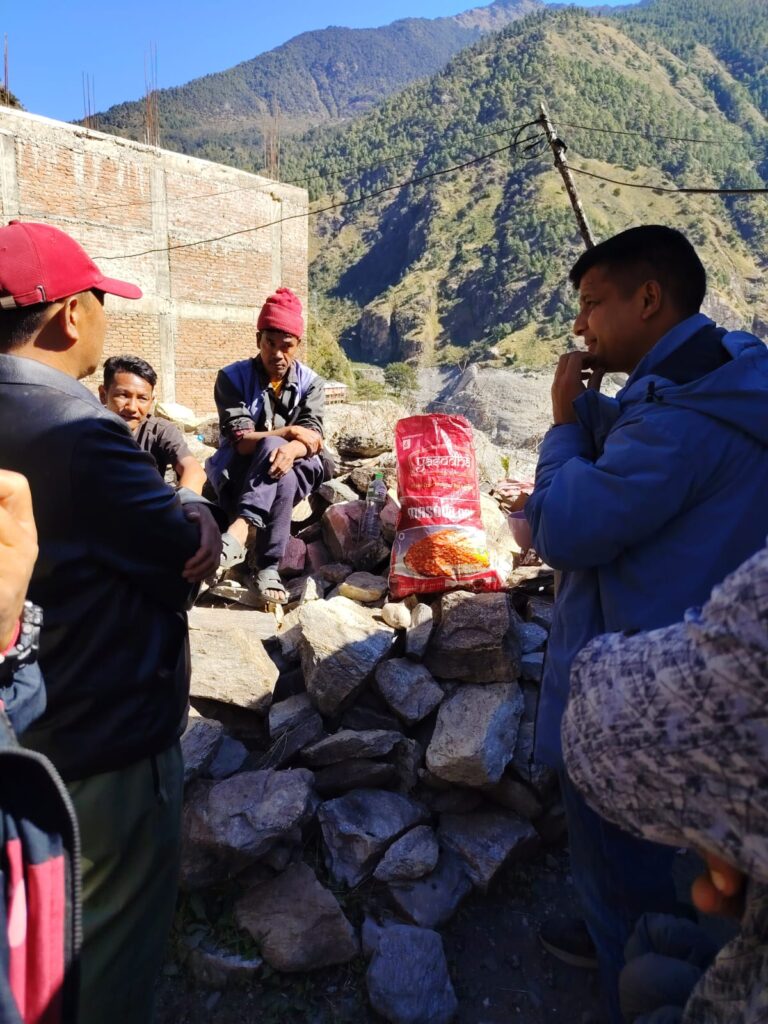
During a field visit from November 2 to 4, 2026, our Nepalese partner ISARD assessed the situation in the affected area. The first rescue operations have been completed, but for many families, daily life remains disrupted. Restoration of drinking water, agriculture, and income is urgently needed.
Families cannot go home yet
Many residents are unable to return yet due to the destruction of their homes. They are staying in safe locations in the region or finding shelter in monasteries in Kathmandu.
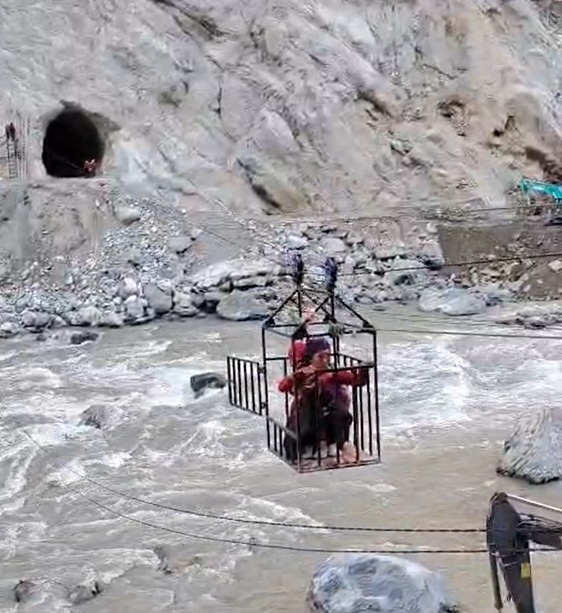
A new emergency bridge between the districts of Nuwakot and Rasuwa is now in use. Other places remain difficult to reach. Timure is still cut off from the road network; a cable crossing has been constructed to connect it to Syabru Besi. The drinking water and electricity supplies have also been severely damaged. With the approaching dry season, further water scarcity threatens.
Agriculture and income are under pressure
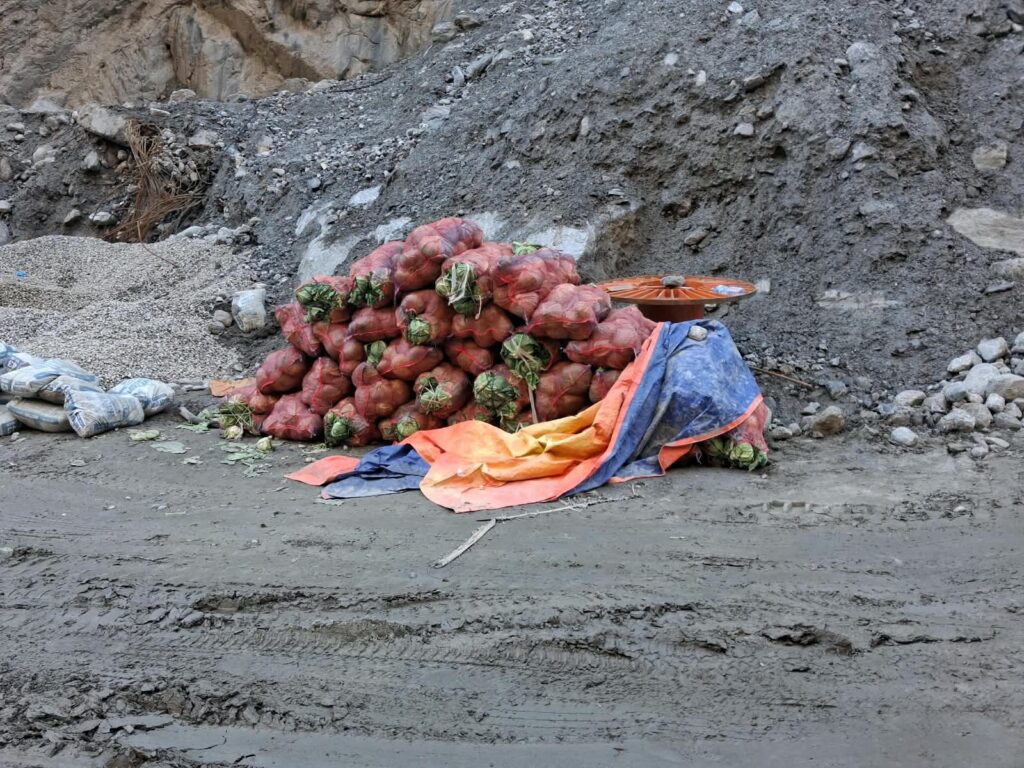
The villages of Galjung, Gatlang, and Thumman are cut off from the road network. As a result, farmers cannot take their products to the market. Cabbage and cauliflower are lying in the field rotting.
According to the field report, milk production in Utter Ganga has been approximately halved. The transport and sale of milk are also severely disrupted.
Moreover, approximately 60 tons of seed potatoes in cold storage were lost due to the power outage. This hits farmers at precisely a critical moment: November and December are important months for planting potatoes.
What help is needed now?
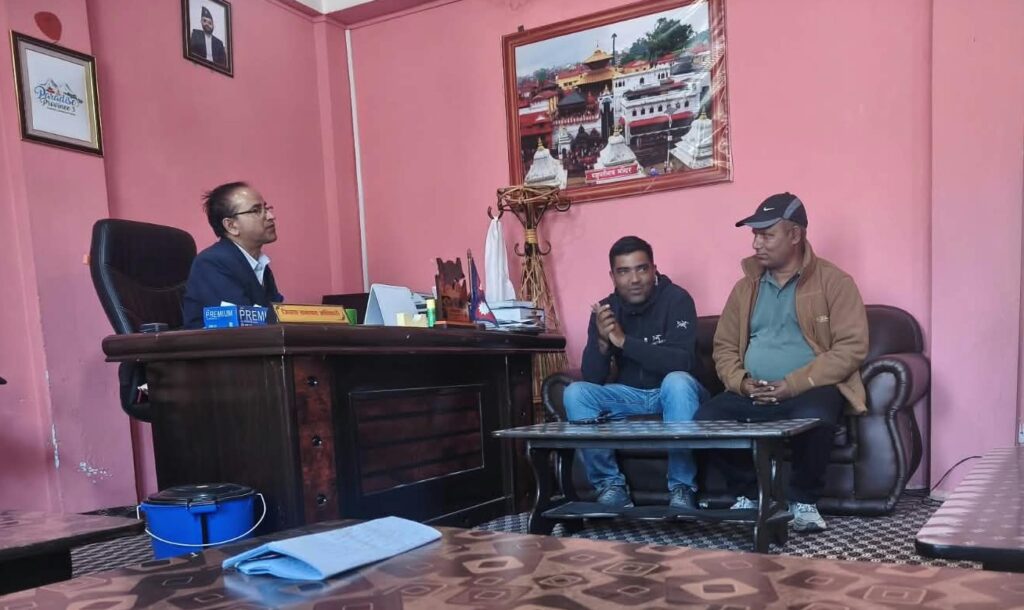
ISARD has consulted with local officials and names the following priorities:
• Restoring drinking water: repairing damaged water systems, including in Syabru Besi and Utter Ganga.
• Making seed potatoes available: helping farmers make the most of the upcoming planting season.
• Restoring market connections: setting up collection points for agricultural products and getting sales back on track.
• Support dairy farmers: restore the milk chain and explore possibilities for processing, for example into cheese.
In the longer term, ISARD also sees a need for temporary housing, sanitary facilities, recovery of education and psychosocial support.
From emergency relief to sustainable recovery
The field visit shows that the consequences of the disaster continue to have a long-lasting impact. In addition to shelter and clean water, families primarily need a sense of perspective: the ability to cultivate, sell, and earn an income again.
Children want to go back to school.
ISARD is further developing the proposed assistance in consultation with local authorities and affected communities.
At the end of December, we will present a concrete school project together with ISARD.
Source: ISARD, Field Visit Report on Lhende Khola, November 7, 2026.


